

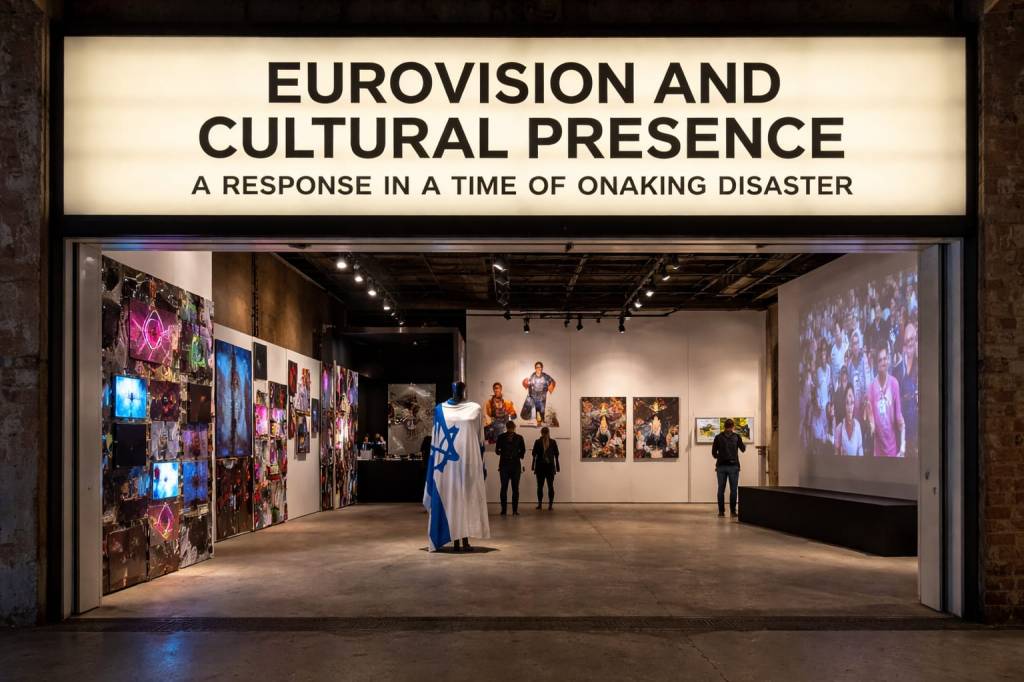
Eurovision Baason (Disaster), is the name of a groupb       protest art exhibition that will open in early February at
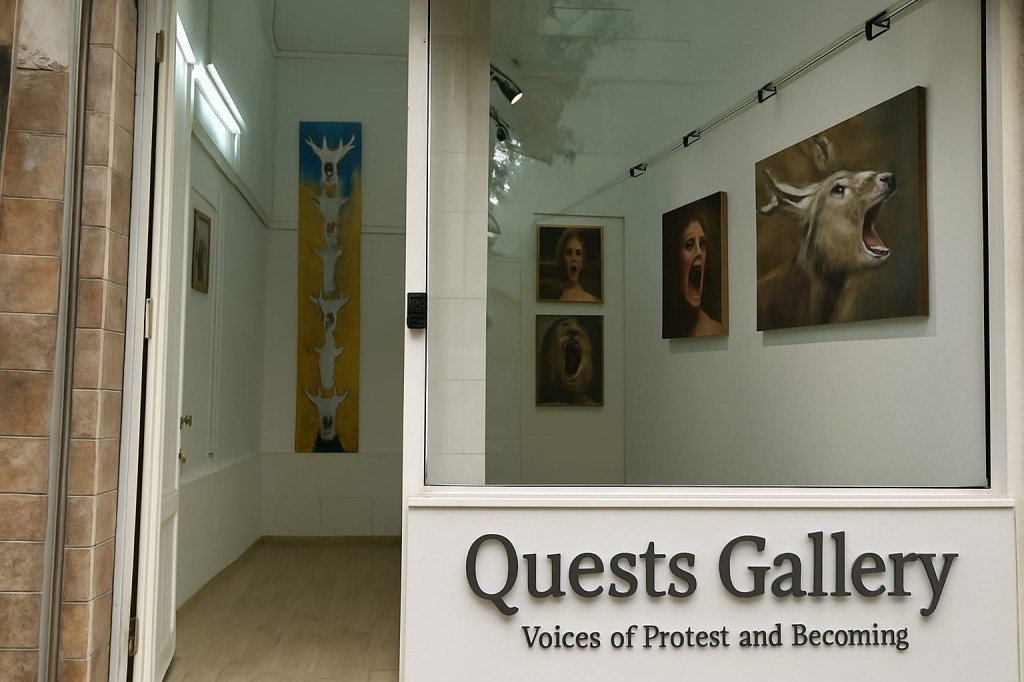
                                               . Q Gallery
The Archaeology of Erasure: Deleuze and the 'Will to Power'
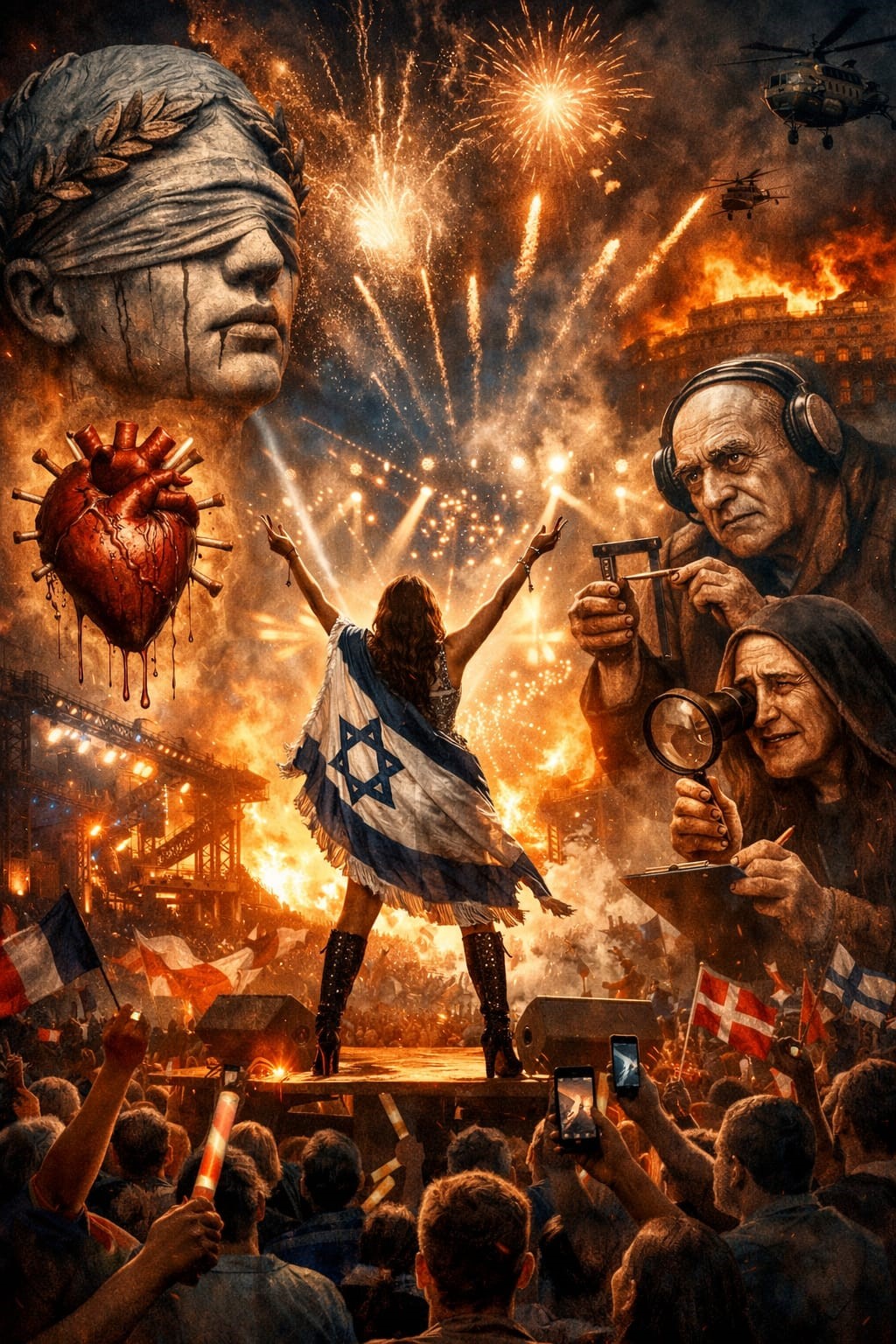
Inspired by Deleuze’s approach to the "Body without Organs" and the concept of "Transit," Transis is an ontological entity operating in a space where rigid identities have collapsed. She is resurrected from the act of the erasure of Dana International from the Torch-Lighting Ceremony—an event that exposed the breaking point where morality becomes a tool of political censorship.
This erasure was not an end, but the Nietszchean "Will to Power" (Wille zur Macht) in its becoming: a primal urge to re-embody itself as a formative force. The survey presented in the previous exhibition did not seek to test public opinion; it was a Heideggerian tool for uncovering "Aletheia" (unconcealment), for illuminating the existential dilemma: Do we choose the authentic being of pain and independent existence, or the comfortable silencing of the wartime reality?
The Mockingjay: The Historical Mission of 'Is'
The epithet "Mockingjay", taken from contemporary mythology, positions Transis as a distinct symbol of popular resistance. She is not a superheroine in the canonical sense of comics, but a disruptive force operating from the margins to fulfill a historical mission: to recall the primordial "Is" of the Eurovision as a platform designed to allow every nation to be and sing its unique song.
She uses her voice (the flaming microphone) and the precision of the bow and arrow to strike directly at the heart of the political hypocrisy of the participating countries—those who seek to enjoy the glamour of the competition without getting dirty in the complex reality of war. Transis does not demand justice in the linear and legal sense, but demands recognition of a new morality, one that is not afraid of the contradictions and paradoxes of the Israeli existence in 2025.
:In Israel




 TRANSISM